


Dan J. Stein
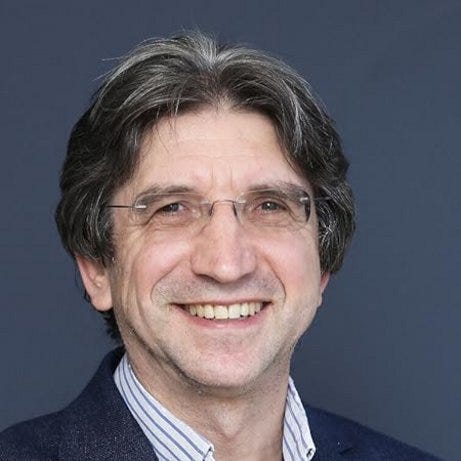
Professor Dan Stein was a psychiatrist’s psychiatrist, a world-renowned and distinguished South African psychiatrist with doctoral degrees in neuroscience and philosophy, chair of the department of psychiatry at the University of Cape Town, with contributions to wide-ranging areas such as psychopharmacology, psychiatric neuroscience, psychiatric classification, anxiety disorders and obsessive-compulsive disorders, epidemiology, philosophy of psychiatry, and evolutionary psychiatry. He was also warm, kind, wise, and a good friend. Stein passed away on Dec 6, 2025; he was only 63. It was an unexpected death, we had emailed only two weeks prior.
You can see formal obituaries from the University of Cape Town and the International College of Neuropsychopharmacology with details about his life and career.
On Nov 6, 2020, Dan had sent me an email that started with, “Dear Dr Aftab. I have very much enjoyed reading your columns in Psychiatric Times; many congratulations!”
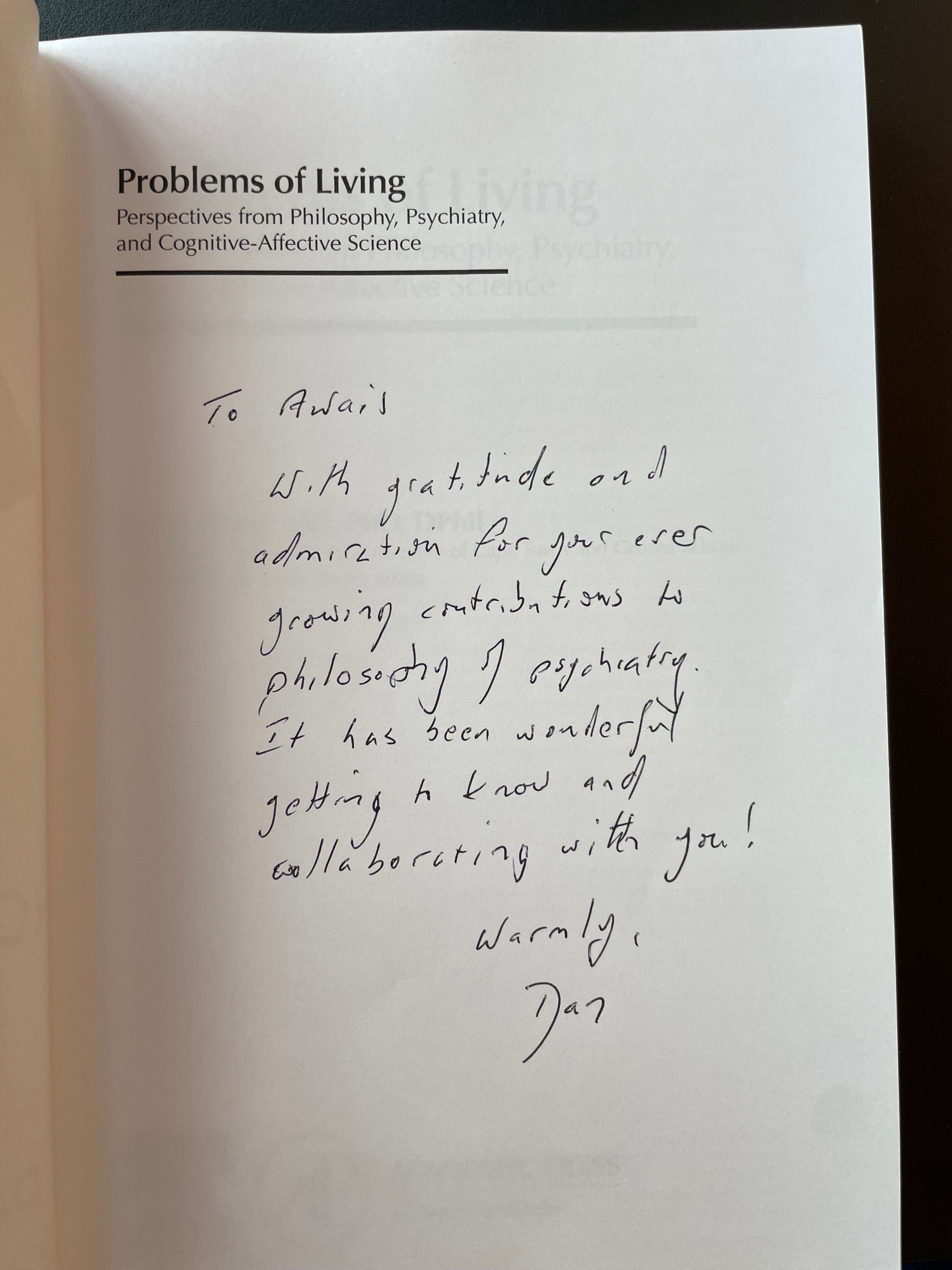
That email was the beginning of a rich five-year intellectual friendship…
I knew of Dan Stein prior to that but had never had an opportunity to approach him myself. I was a young pup, barely out of psychiatric training, trying to figure out the intellectual landscape of psychiatry and scratching the surface of complicated philosophical and scientific debates. He was really gracious to me.
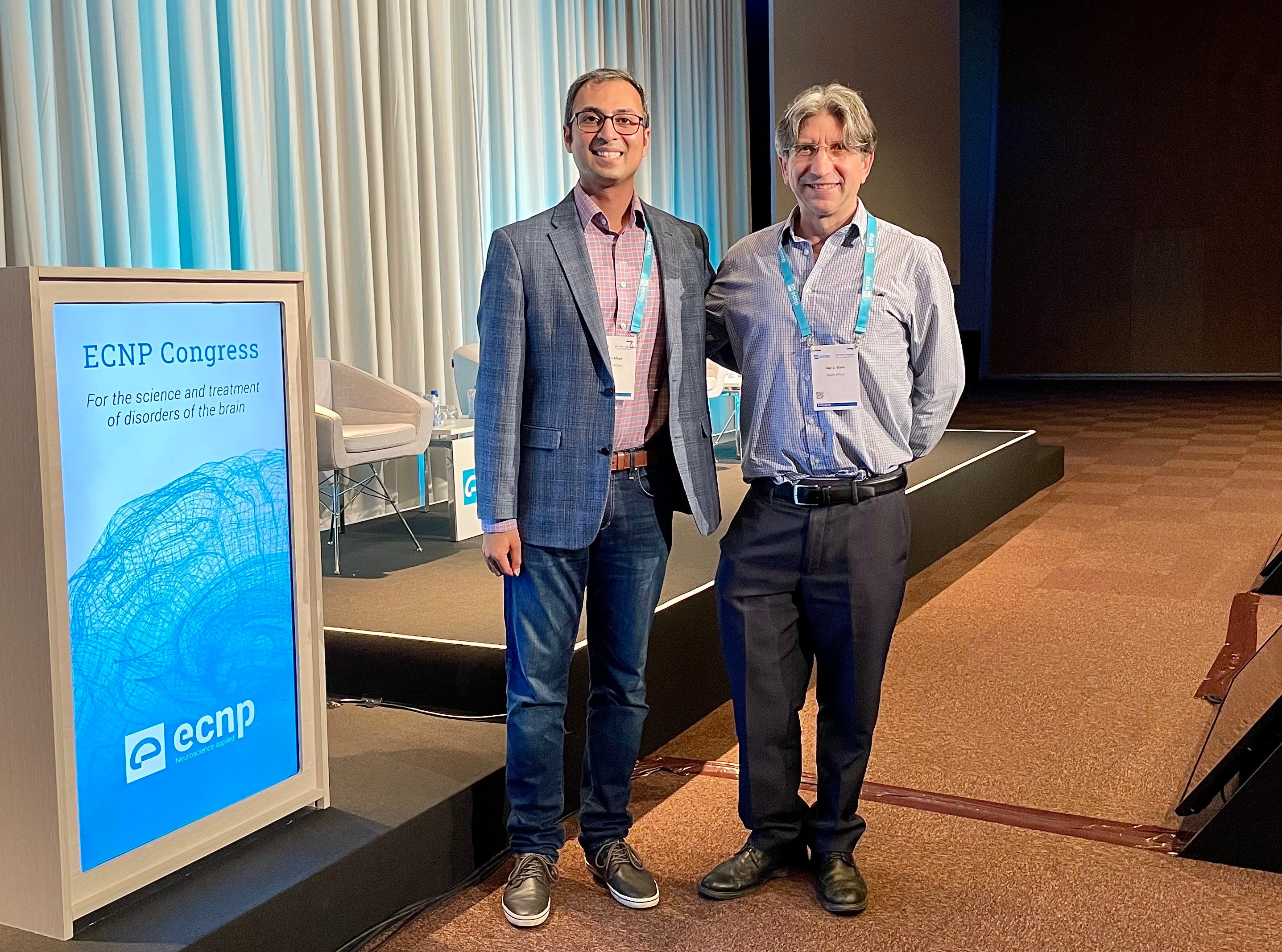
Our friendship resulted in several collaborations, including his interview in my Conversations in Critical Psychiatry series, our 2022 paper on psychopharmacology and explanatory pluralism in JAMA Psychiatry, and the 2024 forum article on philosophy of psychiatry in World Psychiatry. We also presented together in October 2023 at the ECNP meeting in Barcelona.
Stein’s central philosophical contribution was his classic-critical-integrative framework, which he applied to questions in psychopharmacology, psychopathology, and neuroscience. In his telling, the classic position holds that mental disorders are natural kinds, with an objective, biological essence, and they are real, discoverable entities governed by scientific laws. The critical position argues that mental disorders are socially constructed human kinds, that psychiatric nosology is value-laden through and through, and that understanding mental illness requires hermeneutic (interpretive) approaches rather than scientific ones. The “integrative position” was Stein’s preferred approach, which attempted to transcend this binary.
He held that psychiatric disorders have both biologically grounded and socially mediated aspects, that they are better understood as “soft natural kinds” rather than strict natural kinds or pure human kinds. Psychiatric science is theory-laden and value-bound, like all science, and can make genuine progress. Psychiatric understanding requires integrating both mechanisms as outlined by cognitive-affective neurosciences as well as meanings derived from subjective experience. Biological and social perspectives are necessary and complementary.
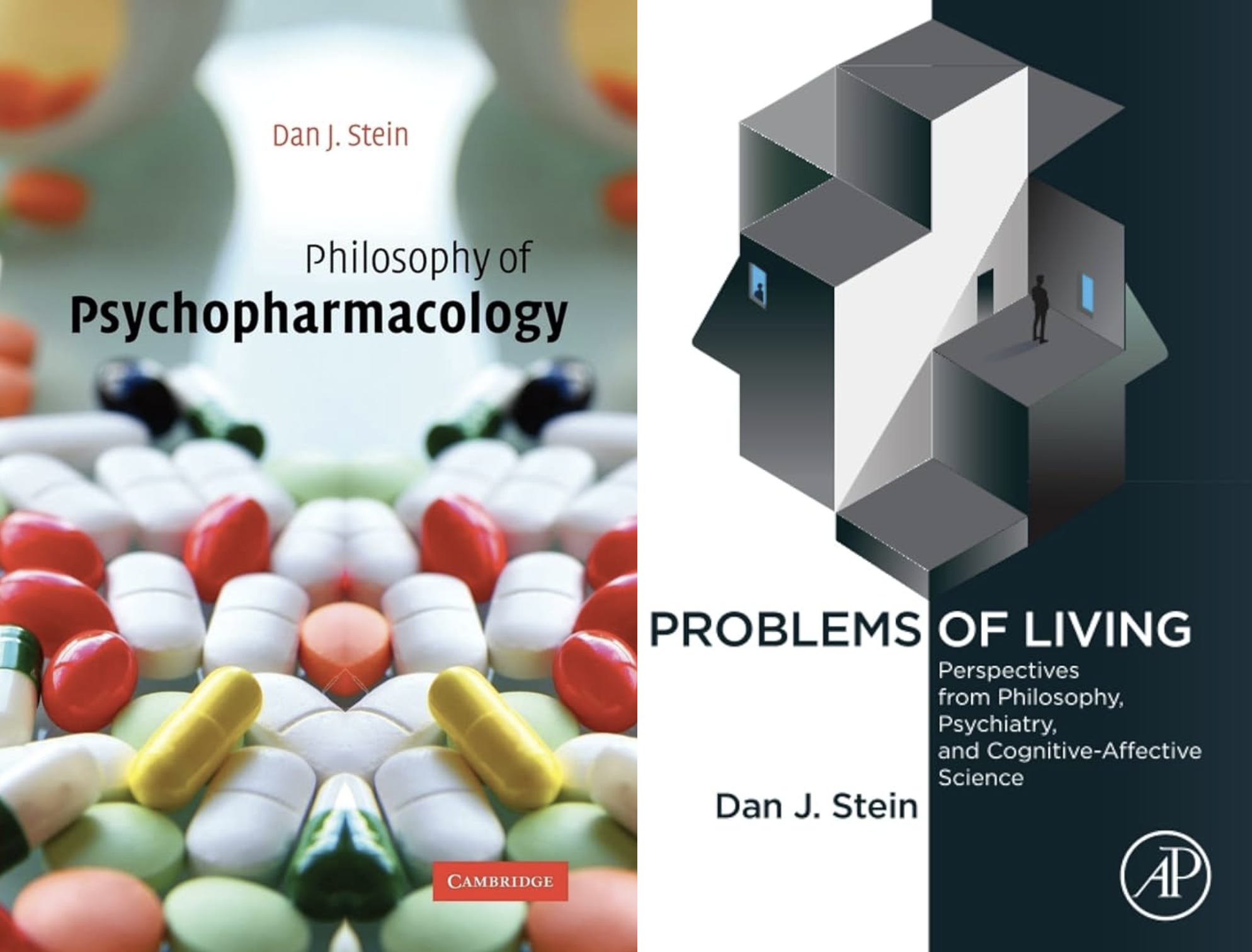
“Philosophy of Psychopharmacology” (2008) applied this framework to fundamental questions about psychopharmacology, including whether it’s good to treat psychiatric disorders and the ethics of “cosmetic psychopharmacology.”
“Problems of Living” (2021) later extended the integrative framework to broader philosophical questions, drawing on critical realism, pragmatic realism, embodied cognition, moral naturalism, and engaging with developments in cognitive-affective neuroscience. Stein approached the brain-mind as “wetware,” a dynamic, interactive system that is embodied and embedded. Stein explored the promise and limitations of neuroscience in addressing the “big questions” of existence.
Stein was also interested in what evolutionary perspectives have to tell us about psychopathology and psychopharmacology. Randy Nesse, a pioneer in evolutionary medicine and evolutionary psychiatry, was another one of his collaborators and friends, and they did some wonderful work together on papers such as “Towards a genuinely medical model for psychiatric nosology” (2012), “How evolutionary psychiatry can advance psychopharmacology” (2019), and “Tacit Creationism Encourages Oversimplified Views of Functions and Dysfunctions” (2025).
Stein’s philosophy was characterized by methodological pluralism, soft naturalism, anti-reductionism, pragmatism, and integration over polarization. As he described himself, he was “a fox, not a hedgehog,” someone who knew many things rather than one big thing, and he did this really well.
As I write all this, I am struck once again by his humility and warmth, the kindness and generosity he extended to others, and the attention he offered to colleagues. He nurtured friendships wherever he went. I hope he knew how much he meant to me, and so many others across the world.
Lisa Wallace
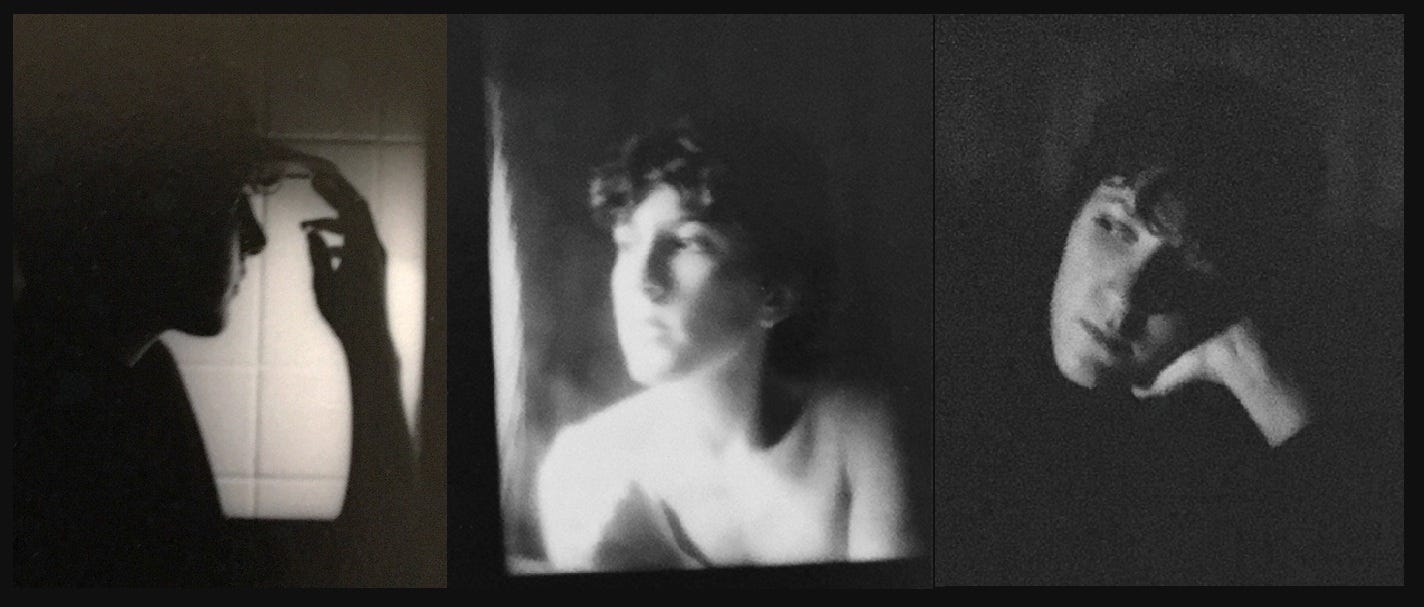
Lisa Wallace died on Dec 2, 2025. She was an artist and a writer, and she wrote on her blog, “Travels Through Psychiatry,” about her “45 years in and out of psychiatric treatment.”
I do not exactly remember when Lisa Wallace reached out to me on Twitter, but it was around 4 years ago at a point in her life when she was beginning to reconsider her self-image as a “harmed ex-patient,” and she was curious about better understanding psychiatry and had found my posts and writings helpful in that regard. The more I got to know her, the more impressed I was by her character and her spirit.
When I started Psychiatry at the Margins in late 2022, the first person I invited to write a guest post for this substack was Lisa Wallace. And she wrote something wonderfully raw, candid, ambivalent, and hopeful, “A Psychiatric Survivor Comes to a Place of Understanding,” in which she explored why she had left psychiatric care and why she may one day return. A little more than a year later, she wrote a powerful follow-up post, “Finding My Way Out of Anti-Psychiatry.”
She was deeply honest and ethically grounded. She was concerned about protecting others, refusing to exploit her story, worrying about generalizing her experience to others, and calling out rhetoric that might harm vulnerable people in crisis. She was wounded but resilient. She continued working toward a better emotional existence through psychotherapy, carefully considered medication, creative expression, and honest self-examination.
Lisa’s ethical integrity is particularly evident in her last blog post, “I Guess I’m Still Shrunk” (August 02, 2025),
“I will stand by my need for treatment, no matter what I stumble into. I’m firm in this.
The very thought of turning aspects of my mental illness, and how psychiatrists and therapists dealt with me, into an enterprise against the idea of mental illness itself hits as an attack on not only me, but anyone with mental illness.
How could I assert with tremendous confidence that my experiences are everyone’s and that I have the knowledge, as if I’ve been to the mountaintop, to formulate a new way forward that rejects psychiatry and ignores all progress in the field. I won’t casually glance at psychiatry’s inherent self-criticism and say I don’t see it. I won’t lay claim to innovations that aren’t mine and that already existed long before I noticed them.
I won’t take part in the industries springing up that encourage hatred of mentally ill people with insinuations of weakness…
I’m not going to corrupt who I am, where I’ve been and the value in coming to terms just to seek retribution, constantly plunging a knife into a ghostly entity of psychiatry, demanding that it take the blame.”
In the last years of her life, Lisa had, with some luck, found an empathetic, collaborative psychiatrist to provide clinical treatment, and this therapeutic relationship was transformative for her. She would often reach out to me and share updates on how she was doing, and a frequent sentiment she expressed was one of gratitude for the psychiatric care she was receiving.
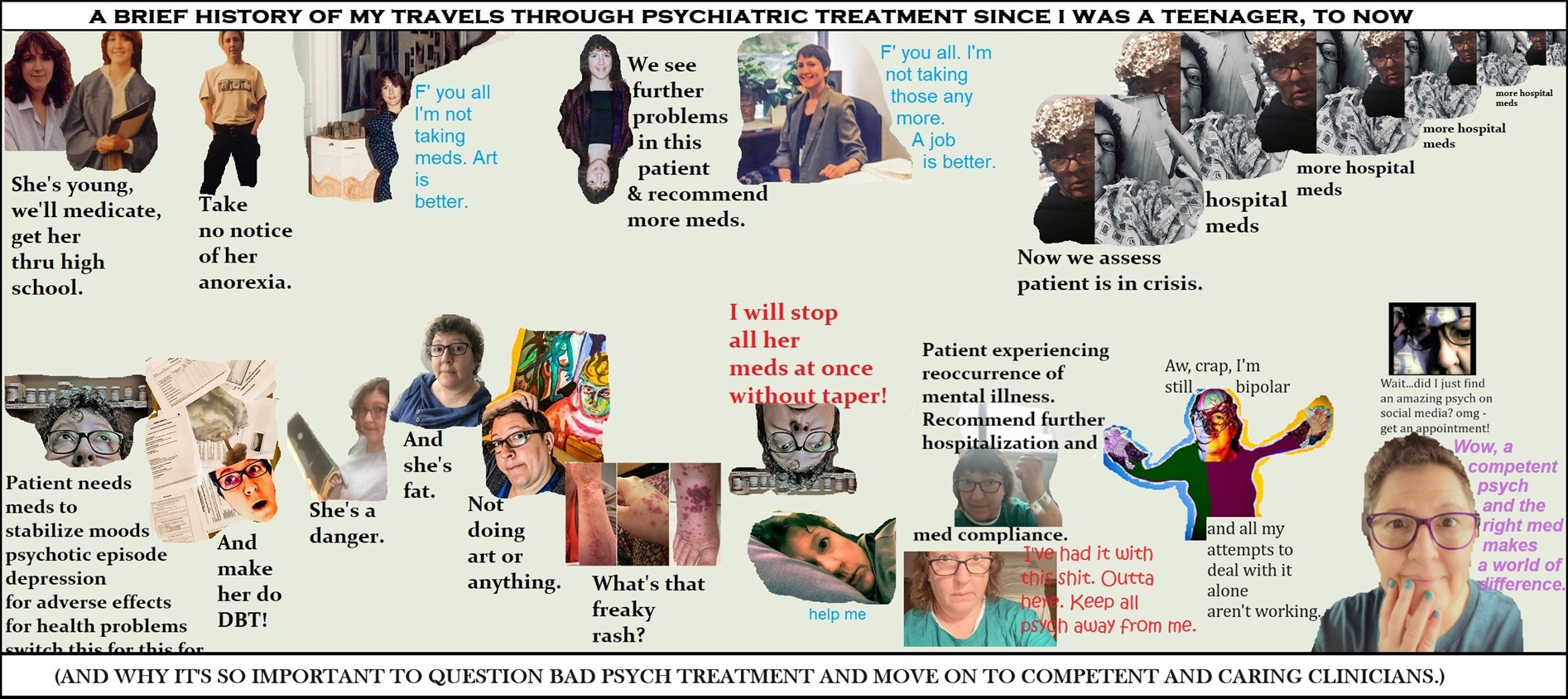
This image below is Lisa’s summary of her travels through psychiatric treatment in her own words.
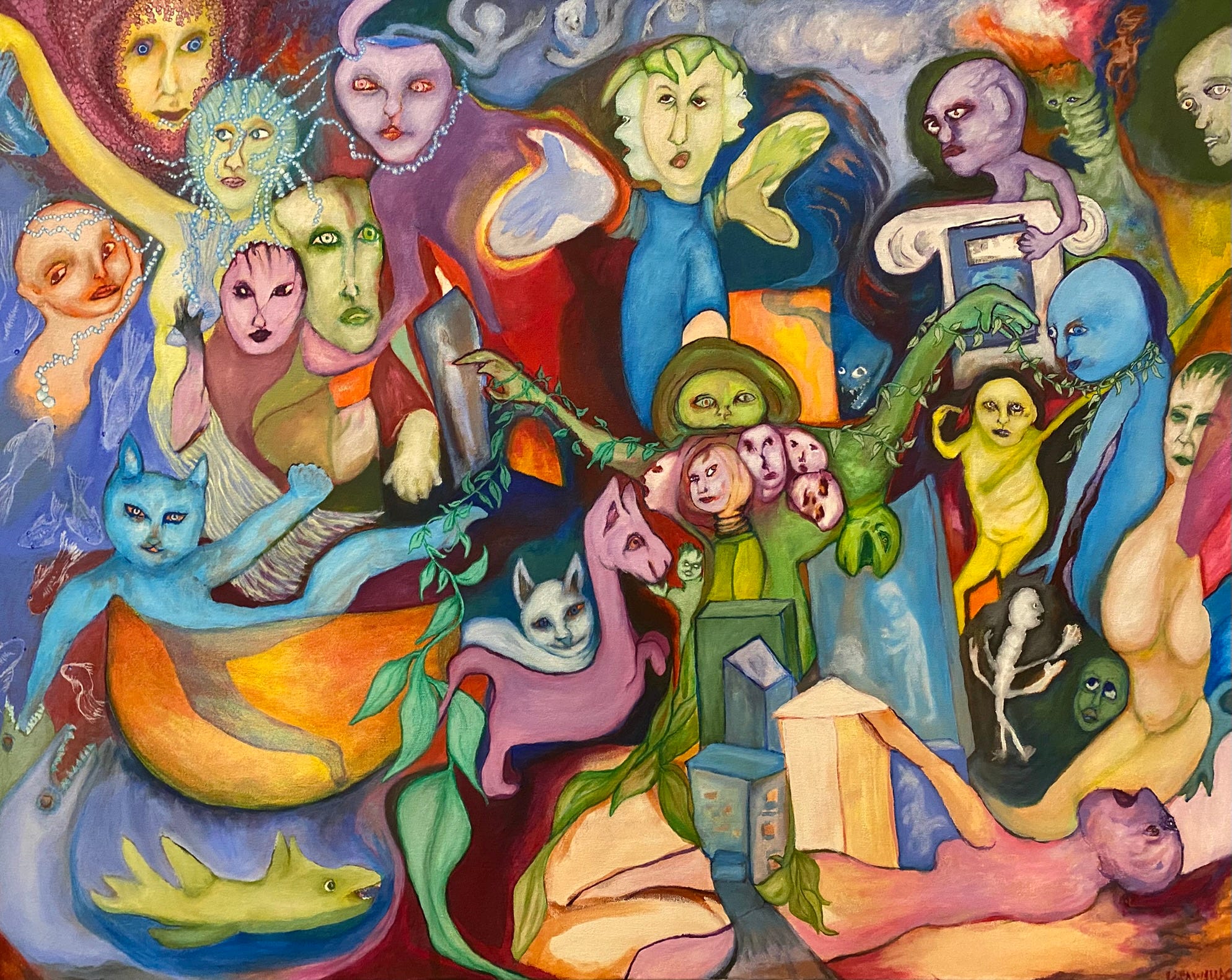
The following is a painting Lisa made about her history of mental health treatment, titled Hard Stories to Tell.
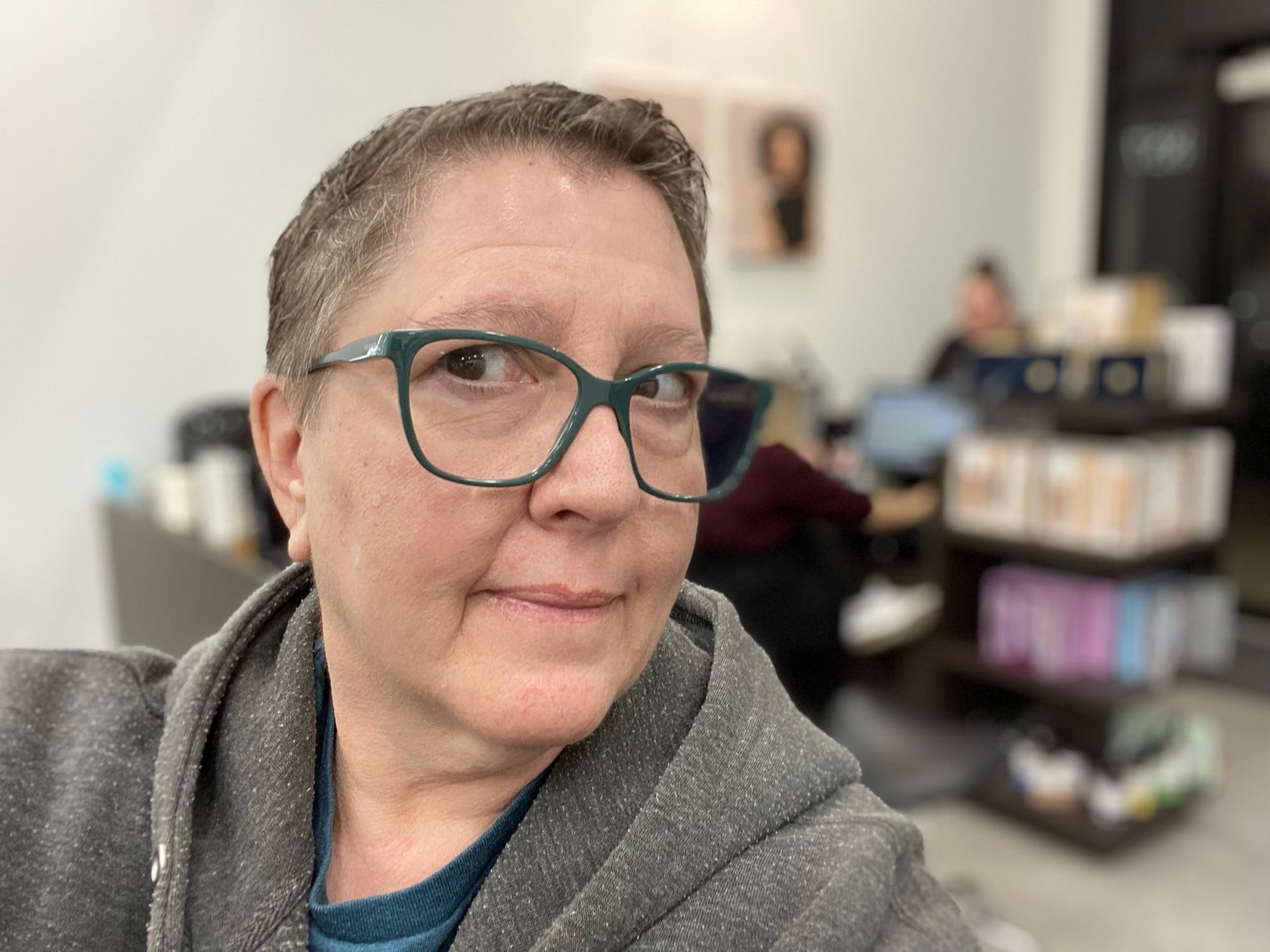
Lisa, I will miss you. Thank you for making me a part of your life.
The phrase “The all of thine that cannot die” in the title of the post comes from the poem And Thou art Dead, as Young and Fair by Lord Byron.
[Comments are open]
Thank you Dr. Aftab for that lovely remembrance of Lisa. I am her adoptive father and was privileged to spend 53 years with her through her many travails. She survived multiple battles with inward demons until finally succumbing. She documented her life with sketches, drawings, and paintings that expressed her struggles with depression and anxiety. Yet in recent years she was finding new support from you and others. She was a favorite aunt of her twin nieces London and Kylie, with whom she shared her abilities in drawing, sculpture, and storytelling.
These are both really powerful tributes about two people I wish I'd known. I now have more reading to do- Stein's work. You write very effectively and warmly about them.
Lisa Wallace's writing and especially artwork are incredibly powerful. Thank you for sharing her work. RIght now I am seeing a patient who would appreciate the representation of her journey.
Reading her pieces, I feel some recognition as a medical patient who just seems to have to fight the system, but shares Wallace's ambivalence about the value of just "complaining" and being angry in patient forums. I wish it were not this way in Psychiatry, for smart, perceptive people who really are doing their best to live their lives.